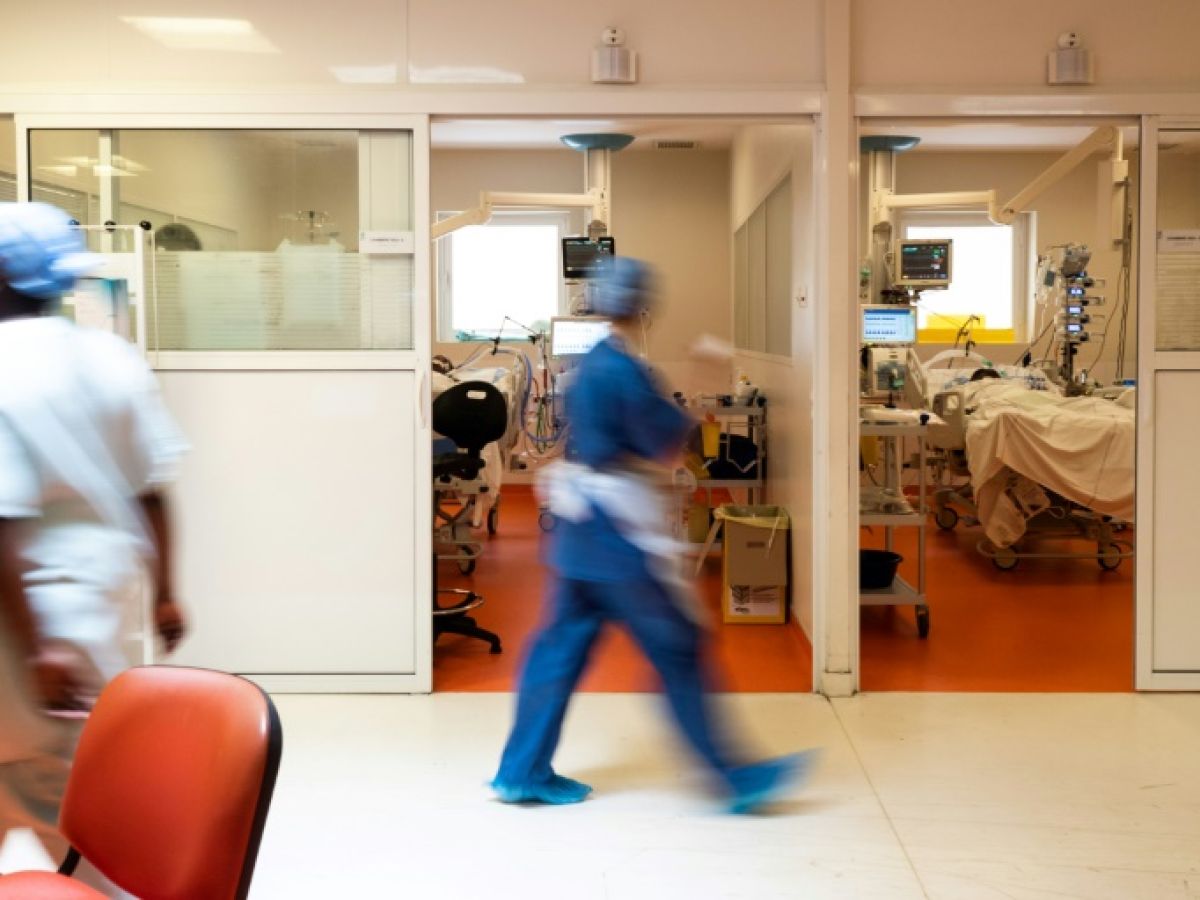
In Guadeloupe, hospitals have state-of-the-art equipment to treat cancers, but a critical shortage of doctors is dangerously lengthening waiting times, to the point that some patients go to mainland France for treatment.
In the Caribbean archipelago, caregivers and patients make the same observation, supported by a study from the National Cancer Institute (INCa) published in February 2024: the survival of patients five years after their diagnosis is generally lower than that of the metropolis.
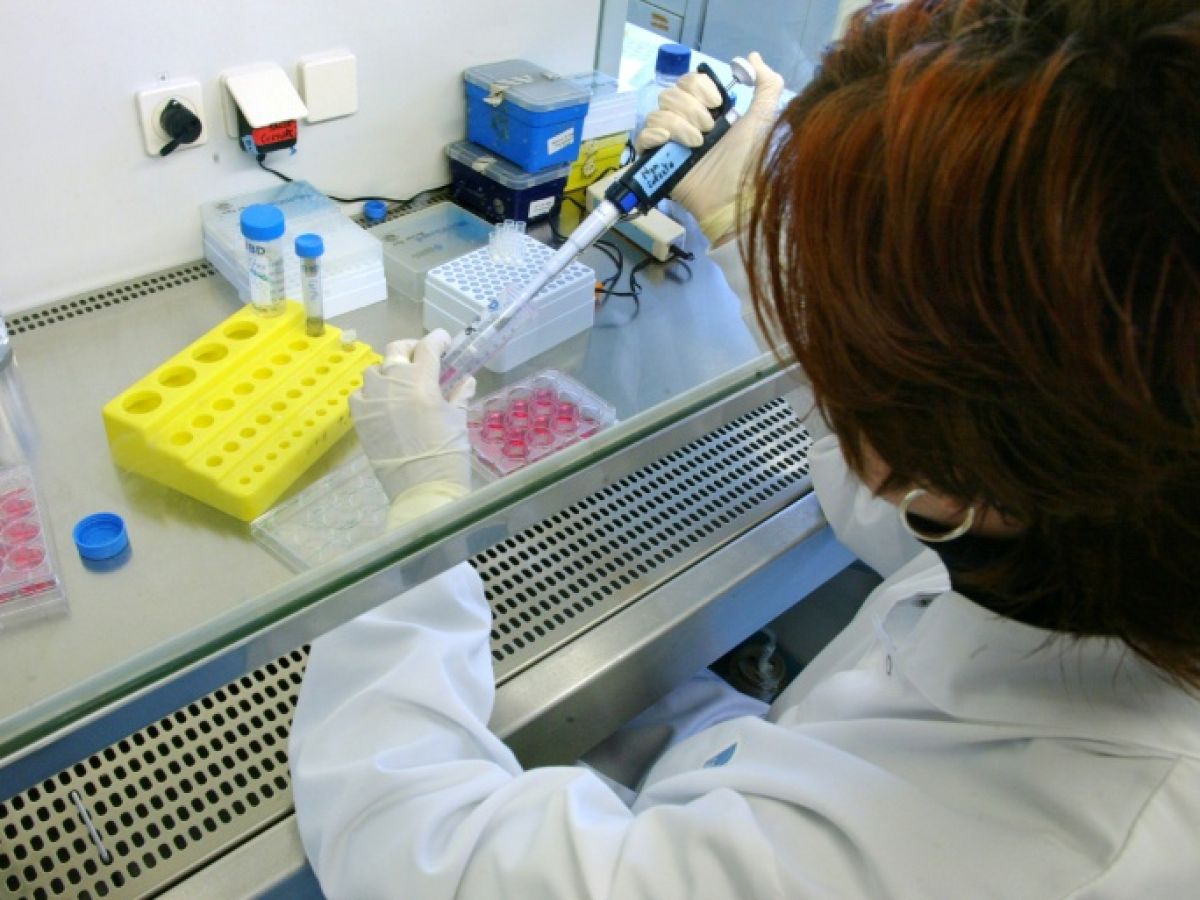
For seven of the ten cancers studied, the gap reaches 20 points for cancer of the body of the uterus (55 % five-year survival in Guadeloupe versus 74 % in Metropolitan France), 12 points for esophageal cancer (5 % versus 17 %), 10 points for cancers of the mouth and pharynx (35 % versus 45 %) and 9 points for breast cancer (79 % versus 88 %).
Delays that can be fatal
This difference is partly explained by the lack of specialists: there are three times fewer oncologists per capita than in mainland France.« In medical oncology, we have significant progress to make in terms of density: 0.8 per 100,000 inhabitants here, compared to 2.6 in mainland France.«" acknowledges Dr. Abdoul Djamal Moukaila, medical advisor at the Regional Health Agency (ARS) of Guadeloupe.

Due to a lack of doctors, patients wait, and these delays reduce their chances of recovery.« In Guadeloupe, the quality of care is good, but there is a shortage of doctors. Delays in cancer treatment can be fatal.«,” warns Carina Guillaume, who accompanies other patients as a patient-partner.
Guadeloupe has one of the highest rates of prostate cancer in the world, with "« approximately 500 new cases per year«" explains Professor Laurent Brureau, urologist at the University Hospital Center (CHU) of Guadeloupe, in Pointe-à-Pitre.
«"Weeks of waiting"»

Victor, a patient who did not wish to give his name, went to Paris to have his tests done more quickly.« It doesn't really inspire confidence in the system.«"He confides. He also highlights the dilapidated state of the current university hospital, where rats have recently been spotted in the operating theater."« I'm lucky enough to be able to afford it, and I also have family who are hosting me.«" he acknowledges.
The doctors say the same thing.« The lack of staff is a real problem«" , confirms Professor Olivier Parant, gynecologist at the University Hospital, while the equipment and treatments are, according to him, of the same level as in mainland France.
Her department records an average of 250 new cases of breast cancer per year, a disease in "« net increase«"He laments the delays, which sometimes reach several weeks, in obtaining an appointment, and observes« late screenings«", which he attributes to distrust of the hospital or to the use of traditional medicine.
Attracting doctors

Read also"The problem is not the number of doctors, but their distribution."
To reverse the trend, health authorities are trying to attract new doctors.
“ In our roadmap on this subject up to 2030, the issue of attractiveness for doctors is clearly included.«" explains Dr. Moukaila.
The ARS is paying bonuses and investing in the new university hospital, while admitting that the difficulty in recruiting affects the whole of Guadeloupe.
The opening of this new hospital has generated much hope. The oncology-radiotherapy unit, headed by Dr. Florence Sacino, has just moved in. It has one more, more modern machine than in the old building, which should, once the service is fully operational, allow for shorter treatments and therefore the treatment of more patients:« For example, reducing the number of sessions from 20 to 5 for certain conditions.«" she rejoices.
Another reason for hope: recently, medical students have been able to continue their studies locally until the end of their sixth year, instead of going to mainland France. The first graduating class has just completed its first six years of study, but Professor Parant fears that these future doctors will leave to seek "« better wages or working conditions »"far from Guadeloupe.".
 English
 French