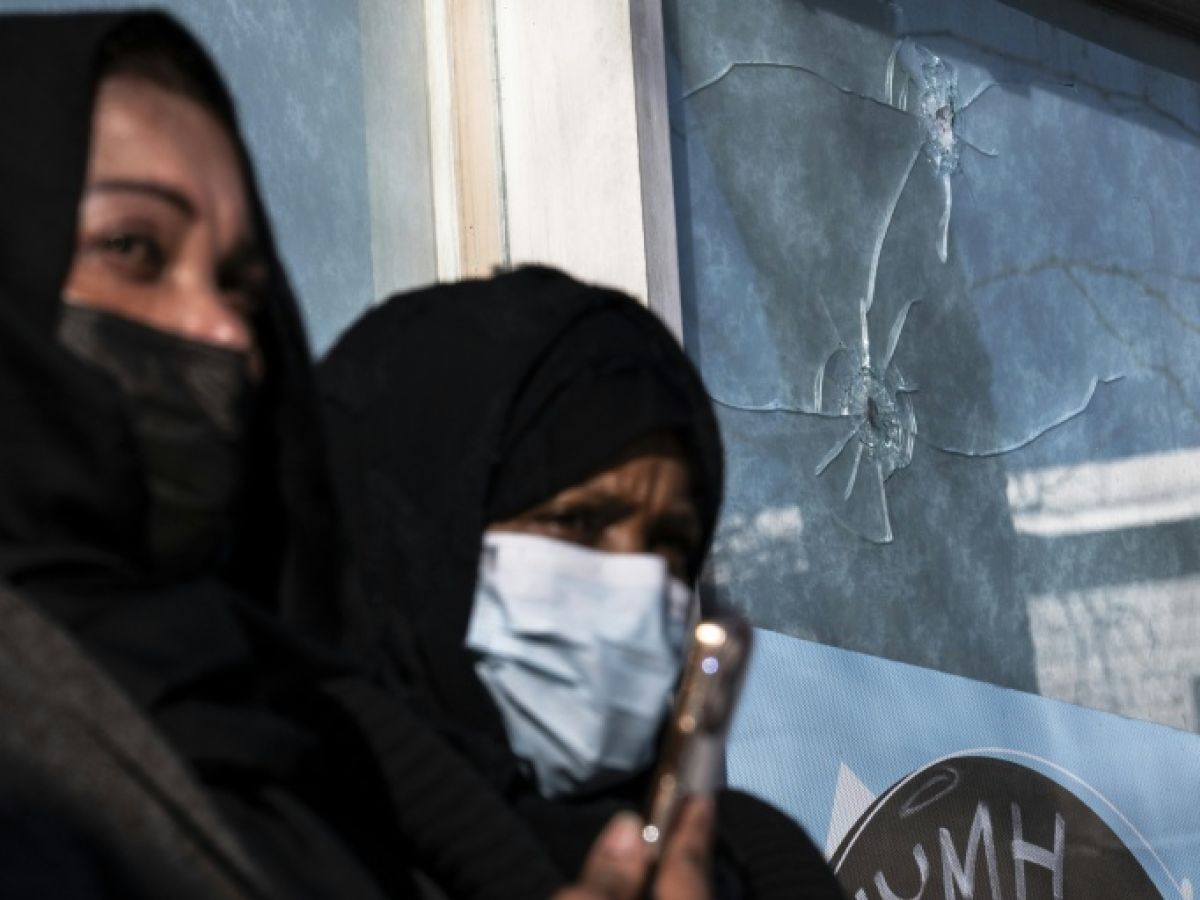
Particularly targeted and frightened by the anti-immigration offensive of the Trump administration, the Somali community of Minnesota is organizing: it has created a network to offer home medical visits to its members who no longer dare to leave their homes.
The paranoia sparked by masked ICE officers patrolling Minneapolis, the largest city in this Midwestern state, has led many immigrants, whether documented or not, to remain confined to their homes.
To avoid controls, they forgo going to work, seeking medical care, buying essential products, or sending their children to school.
Hafsa, a young American woman of Somali origin, had her epiphany when a woman she knew delayed seeking medical help for her child, so much so that the child's health had deteriorated by the time he finally consulted a doctor.
"I received a call from an immigrant mother who was afraid to go to the hospital, and her child is now in intensive care," explains this mental health student who, like all the volunteers interviewed by AFP, only gives her first name for fear of reprisals.
The government has seized upon a vast case of public aid fraud that has been tarnishing the Somali community in Minnesota, the largest in the country with approximately 80,000 members, for several months, in order to violently attack it.
Donald Trump himself has launched numerous verbal attacks against her, declaring that Somalia was "rotten" and calling Ilhan Omar, a Minneapolis congresswoman and fervent Democrat of Somali origin, "scum."
Members of immigration police have been seen in hospitals or clinics, waiting for patients to verify their legal status, according to a recent article in the American Journal of Managed Care.
– “Word of mouth” –
This has led to an increase in the number of immigrants of Somali or Hispanic origin who have given up on seeking medical treatment, the professional journal noted.
Hafsa and the volunteers around her in Saint Paul, Minneapolis' sister city, have found healthcare staff willing to make home visits.
"It's a lot of work, because you want to be sure that the person you send to someone's house doesn't have bad intentions," says the 25-year-old woman.
Precautions are taken to ensure that these individuals are not followed by ICE members when they visit immigrants.

The small team of volunteers spends more than 12 hours a day answering the phone, finding the right person for each case and verifying that they have the required skills.
"You ask them about their qualifications and then (...) there's an admission form where they list all that along with their availability," describes Cass, 43, who works in the health sector.
Volunteers initially rely on their contacts within the community to raise awareness and identify needs.
"It works mainly through word of mouth," notes Musab, a 34-year-old entrepreneur.
– “I’m crying with gratitude” –
"We are a very close-knit community, so we know each other's situation," he said.
Hafsa compares the way the community is coping with police repression to first aid given to an injured patient. "We need as many hands as possible on our body, to bandage all the wounds."
After receiving an urgent call, Musab gets up and puts on his parka to protect himself from the freezing cold outside.
"It looks like a child is sick, so I'm going to go see what I can do and what they need," he announces.
The space that houses them was loaned by a Somali businesswoman, who makes sweet tea for the team.
Upstairs, a room serves as a storeroom for donated medical supplies and cold-weather equipment. The messages of support accompanying these donations are a precious help to Hafsa. "I cry with gratitude," she says.
 English
  French