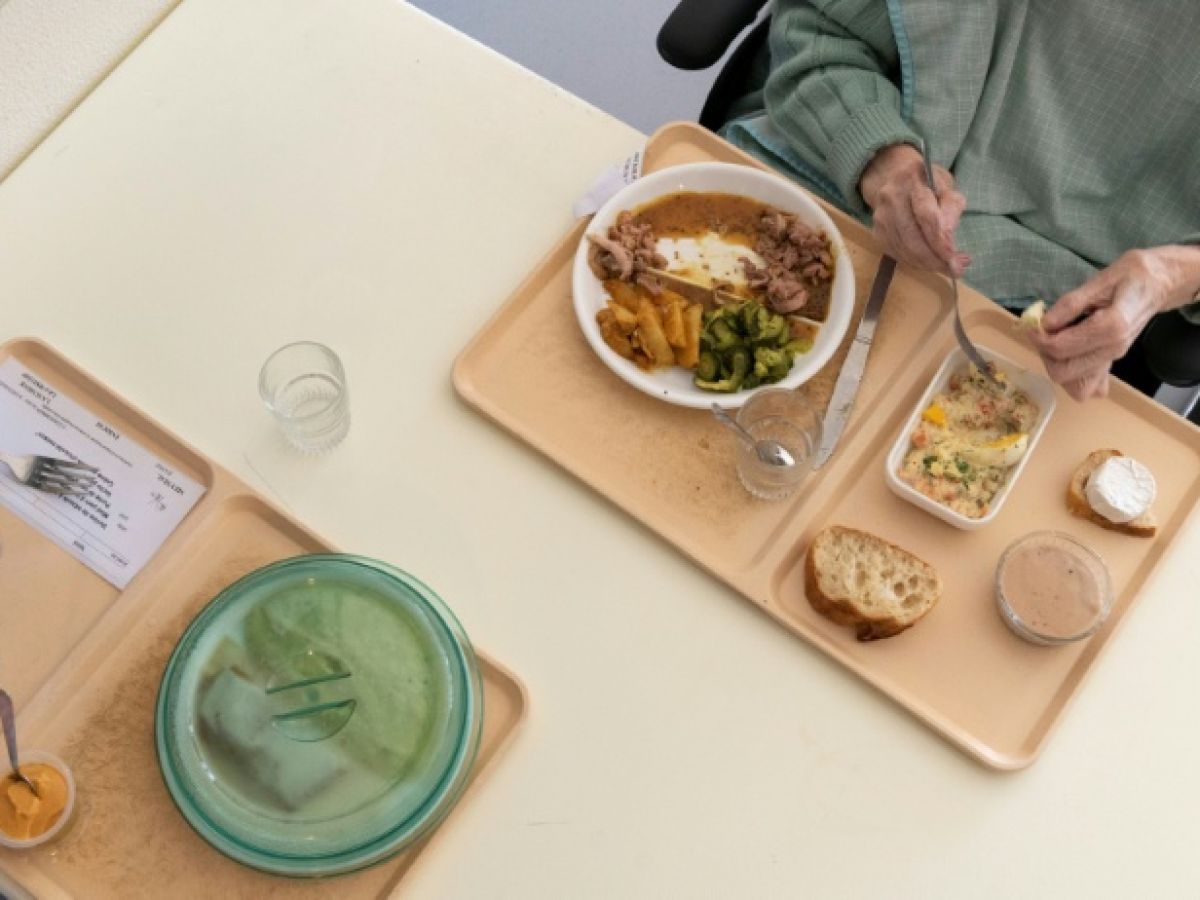
An "insidious" and underdiagnosed disease, sometimes due to misconceptions, malnutrition affects one million French people over 65, according to the Collective for the Fight Against Malnutrition, which raises awareness about this major public health problem.
In 2024, two years after lung cancer caused him to lose 6 kilos, Marc, 82, was "hospitalized for a serious infection": his weight then plummeted to "45 kg, compared to 68" normally, he explained to AFP as the National Malnutrition Awareness Week began on Monday.
“I was on massive doses of antibiotics and I caught a fungal infection in the hospital. I had absolutely no appetite. I’d already had Covid, which had caused a huge aversion to food,” recounts this former cellist. His guilty pleasure, the orange marmalade he makes, takes on a “metallic taste.”
His infection treated, followed by a dietician and a physiotherapist, he regained 12 kg, "resumed eating naturally" and "gained grams every month".
"But I was dying of malnutrition," recalls Marc, for whom this "parallel illness, which occurs in addition to the one for which one is being treated, is not always taken seriously in the hospital."
Sometimes linked to a drop in morale, a loss of taste or dental problems, malnutrition often affects "sick people, who have difficulty eating properly", explains Professor Agathe Raynaud-Simon, head of the geriatrics department at Bichat AP-HP hospital.
At age 70 and over, losing at least 5% of one's weight in one month or 10% in six months is one of the main criteria for malnutrition, according to the High Authority for Health.
The elderly person "weakens, has walking difficulties and can slide into complications: falls, hospitalization, or even institutionalization," explains the geriatrician, president of the Collective for the Fight Against Malnutrition, organizer of the Week.
Malnutrition is a condition where the body does not receive enough energy, protein, and nutrients to meet its needs. The result is significant weight loss and a reduction in fat tissue and muscle mass.
"It's primarily a matter of muscle loss," the geriatrician points out. "You can be malnourished when you're thin, and that's clearly visible, but also when you're of normal weight or overweight and obese: you can have both too much fat and not enough muscle."
While 4% of elderly people living at home would be malnourished, according to European and American epidemiological studies, this can rise to 30%, depending on the measurement tools.
-“Losing weight insidiously”-
If they rarely see their doctor and their "circumstances are not alarmed by progressive weight loss", some elderly people lose weight "insidiously", notes Agathe Raynaud-Simon.
"Misconceptions" also play a role: "We think it's normal for an elderly person to lose weight: that's really false. And that when you're older, you need less meat: that's also very false," she adds.
To remedy this malnutrition, it is necessary to "eat protein", sometimes "supplement the diet with vitamins" and have "physical activity to rebuild muscles", she says.
Since protein requirements increase with age, it is recommended to consume protein (including meat, fish, eggs) once or twice a day and three dairy products per day.
"This goes against the advice for the general population: eat less animal protein," observes Barbara Mauvilain, head of institutional relations at the Federation of Food Banks.
However, in France, two million retirees live below the poverty line, and many elderly people deprive themselves of expensive food products, including meat and fish – one in six people helped by Food Banks is a retiree.
A program run by the federation, "Good Habits and a Good Plate," helps 23,000 people a year to "eat better on a budget" through nutrition workshops. It also includes adapted physical activity workshops, recommended for older people with chronic illnesses, like eight out of ten beneficiaries.
 English
  French