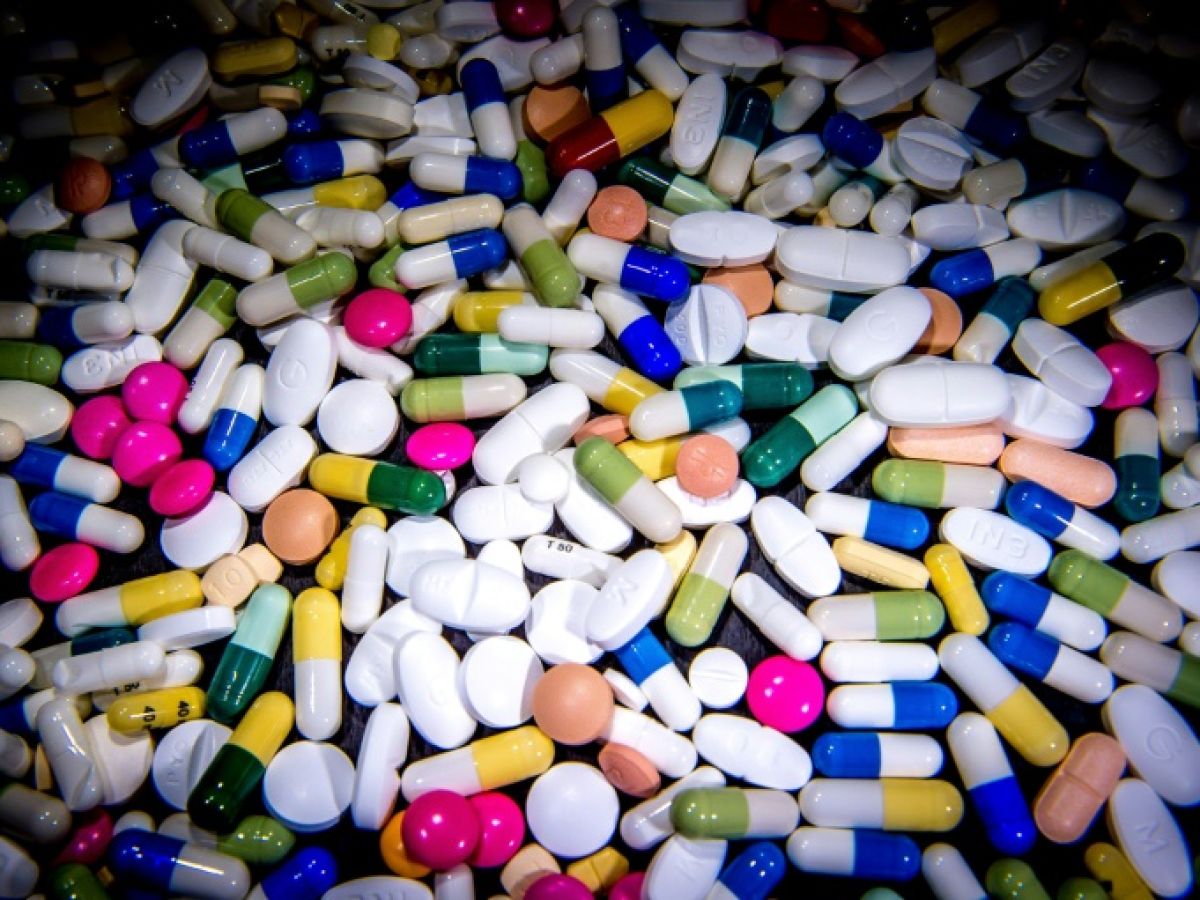
In one week, more than 250,000 medications were discarded in around 200 French hospitals and clinics, according to a study published Wednesday, which noted that a fifth of these treatments could still be used.
These results constitute a first step "in the work to be carried out to reduce the volume of discarded medicines," underlines a report published following this study carried out by 210 healthcare establishments, mostly public hospitals, over a period extending from November to March 2025.
This is only a small fraction of the approximately 3,000 establishments identified in France, but this study gives an idea of the scale of a phenomenon that has particularly concerned the Court of Auditors. In early September, it called for the identification of the most commonly discarded healthcare products and the reasons for this waste.
This survey was launched by the C2DS, a network of 940 establishments aiming to reduce the environmental footprint of the health system, and RésOMEDIT, which brings together regional drug observatories.
Participating establishments recorded how many medications they discarded in a week. As a result, 252,246 medications ended up in their waste, representing €707,000 and more than two tons.
Some are out of date – a third – or unfit for use for other reasons – a sixth. But a significant proportion – a fifth – of them would still be usable.
If they end up in the trash, it is generally because they are packaged in too large a quantity and the teams in the establishments do not have the time to repackage the started treatments individually.
Another fifth comes from unused medicines brought personally by hospital patients.
Over 61% of discarded medications are tablets. However, injectables, creams, and inhalers are also included in the waste.
Discarded drugs with low purchase costs, such as hypnotics, anxiolytics or antidepressants, are the vast majority in volume.
Conversely, due to their high price, chemotherapy drugs to treat certain cancers and antithrombotics (aimed at preventing thrombosis) represent more than a third (32.8%) of the value of these discarded drugs.
"Managing the expiry dates of these drugs is a priority," emphasizes the report, which recommends "an alert system for expensive drugs close to expiry," suggests "improving orders" to avoid creating overstocks, and conducting "extended stability studies to extend shelf lives."
 English
  French