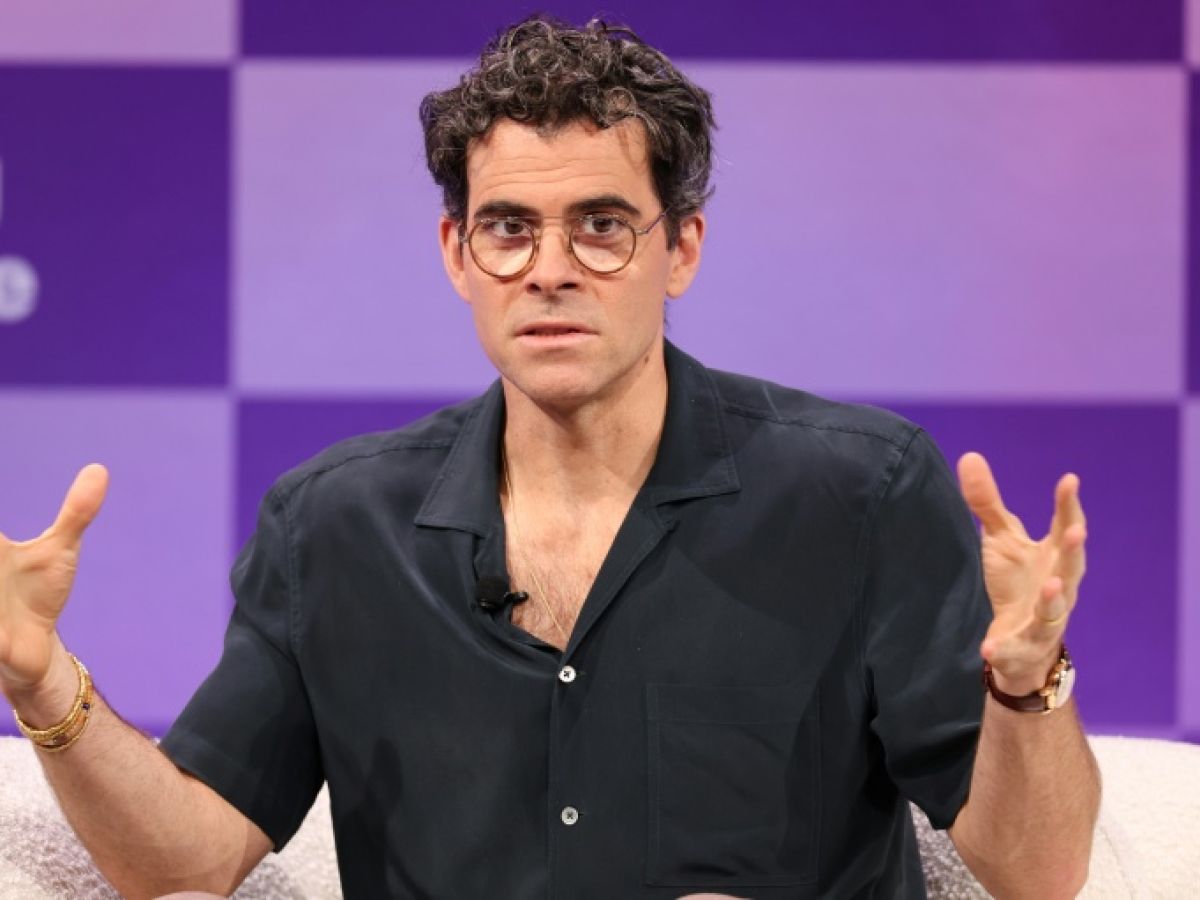
The head of Instagram is due to testify Wednesday in Los Angeles at the social media addiction trial: Adam Mosseri will be the first Silicon Valley figure to come forward to defend himself before the jury against accusations of providing dopamine "slot machines" to vulnerable young people.
His hearing precedes that of his boss Mark Zuckerberg, which is currently scheduled for February 18.
The two Meta executives will face off against the lawyers of Kaley GM, a 20-year-old Californian, whose complaint was chosen to hold this test trial, intended to be a reference for thousands of similar complaints in the United States.
The debate does not focus on the danger to mental health of videos hosted on platforms, whose responsibility for content is very limited under US law.

TikTok and Snapchat, who are also being sued, signed a confidential agreement before the trial.
Adam Mosseri's testimony will have to respond to that of Dr. Anna Lembke, a renowned psychiatrist from Stanford University, on Tuesday.
"Every time I use the term drug, I use it in a broad sense that includes the use of social media," explained this addiction specialist summoned by the prosecution.
With patience, she addresses the 12 citizens tasked with deciding this case of international significance: Instagram and YouTube claim 3 and 2.7 billion monthly users respectively.
With an anatomical model in hand, the doctor shows them the prefrontal cortex: "It acts like the brakes of a car. It's the part of our brain that says: 'Okay, I've had enough, that's enough now.'"
However, its development is not completed until around age 25, which explains why teenagers struggle to self-regulate, she continues.
According to the doctor, early use of social media is a real "gateway drug" for minors.
Even if not very toxic, this "first exposure" reshapes the brain when it is most malleable, predisposing it to other addictions, such as cigarettes, alcohol or narcotics.
– Neither social network nor addiction –
Before her, YouTube's lawyer insisted on Tuesday morning that the video platform was not intentionally addictive and that it did not even technically constitute a social network.
"It's not social media addiction when it's not a social network and there's no addiction" in this case, Luis Li insisted.
YouTube is not trying to "insert itself into your brain and rewire it," the lawyer insisted, showing internal communications demonstrating a concern to prioritize the quality of time spent in the application, before user retention, a source of advertising revenue.
What YouTube sells, "is the ability to watch something, mostly free, on your computer, phone or iPad," argued the lawyer, adding that the platform shares 55% of its revenue with creators.
The plaintiff "is not addicted to YouTube. You can listen to her own words... she said it, her doctor said it, her father said it," Ms. Li further stated.
Before him, Meta's lawyer, Paul Schmidt, outlined on Monday a strategy to demonstrate that social media was not a "substantial factor" in Kaley GM's mental health problems, which were mainly explained by "family dynamics" and violence suffered within that context.
The young woman, briefly presented to the jury on Monday, is not attending the hearings and will testify at a later date.
The trial, which began with jury selection on January 27, is currently scheduled to last until March 20.
Other similar test trials are planned in Los Angeles before the summer, while a nationwide case is being heard by a federal judge in Northern California.
In New Mexico, a separate trial accusing Meta of prioritizing profit over protecting minors from sexual predators began Monday.
 English
  French