Ebola, Nipah, Covid-19… The diseases deemed priorities by the World Health Organization (WHO) almost all have one thing in common: they are zoonoses, infections transmitted from animals to humans.
The transformation of ecosystems multiplies the opportunities for transmission
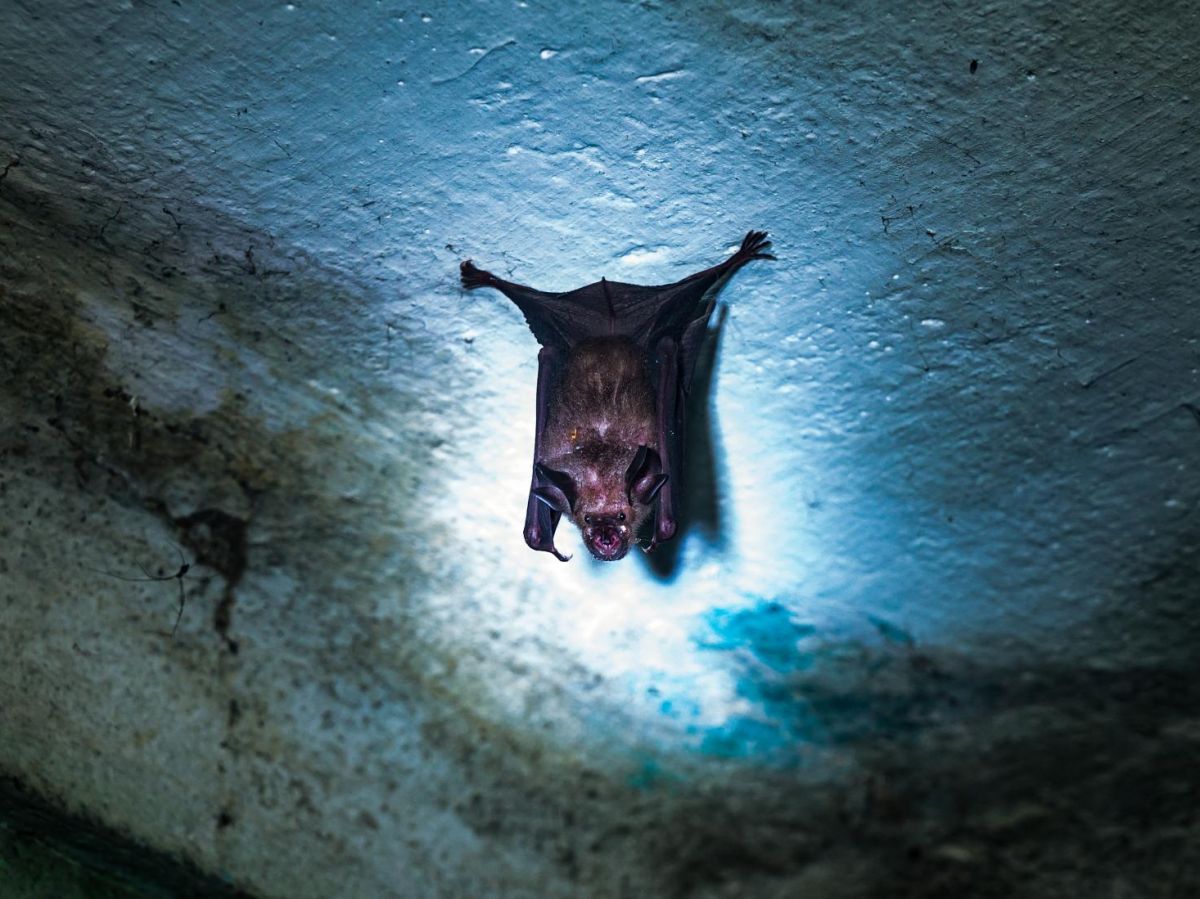
A zoonosis is a disease caused by a virus, bacterium, or parasite transmitted from animals to humans. Transmission can occur through direct contact, but also via a vector such as a mosquito or tick. Among the main reservoirs of potentially dangerous pathogens are bats, but also primates, birds, livestock, and rodents, which are carriers of hantaviruses, among others.

These transmissions are not new. The first major zoonoses are thought to have appeared with the settling of lifestyles and the domestication of animals, when humans began to live in close contact with livestock. But today, their spread is worrying scientists. Approximately 60% of known infectious diseases in humans are of animal origin, and nearly 75% of emerging diseases identified in recent decades are zoonoses.
This acceleration is primarily due to the transformation of ecosystems. Deforestation, urbanization, and intensive livestock farming bring humans, wild animals, and farm animals into closer proximity, multiplying opportunities for transmission. Climate change also plays a role by altering the distribution ranges of certain reservoir species and vectors, such as the tiger mosquito, which is now present in new territories. Added to this is globalization: a disease that originated in an isolated region can now cross the globe in a matter of hours thanks to international transport.
The preparation is still insufficient.

Despite the lessons learned from the Covid-19 pandemic, many experts believe that surveillance systems remain inadequate. The United States' withdrawal from the WHO in 2025, in particular, weakens certain international funding sources. For several years, the "One Health" concept has championed the idea that human health, animal health, and the state of ecosystems are closely interconnected. However, this approach has yet to be fully implemented in public policy.
In a report published on May 13, 2026, the World Organisation for Animal Health warned of the chronic and dangerous underfunding of animal disease surveillance systems. Yet, the next pandemic could once again be caused by a zoonotic disease, likely a respiratory virus such as a coronavirus or influenza, which are particularly adept at crossing species barriers.
The real question is therefore no longer whether a new pandemic will occur, but above all whether states will be able to prepare for it.
 English
  French