
This article is taken from the monthly magazine Sciences et Avenir n°952, dated June 2026.
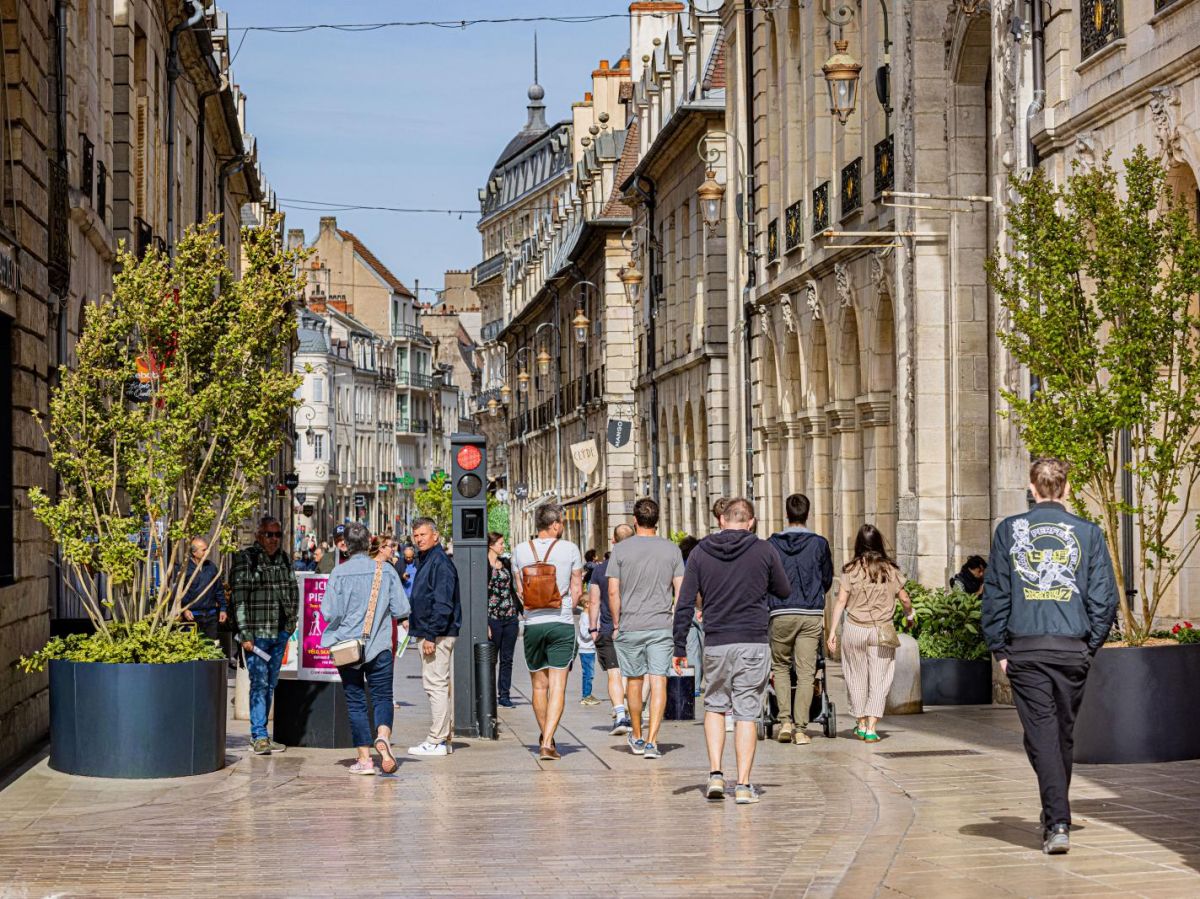
Walking is the most universal, most economical and most practiced mode of transportation, yet it is the least studied by economic sciences and the least considered by public policies. "We produce studies on cars, trains, bicycles... but very few on walking. As if it were too obvious!" notes Mathieu Chassignet, transport and mobility engineer at Ademe, the French Agency for Ecological Transition. It was precisely to determine the socio-economic benefits of walking at the national level that Ademe conducted last year a large-scale study on the subject, based on a corpus of 130 bibliographic sources.
 English
  French