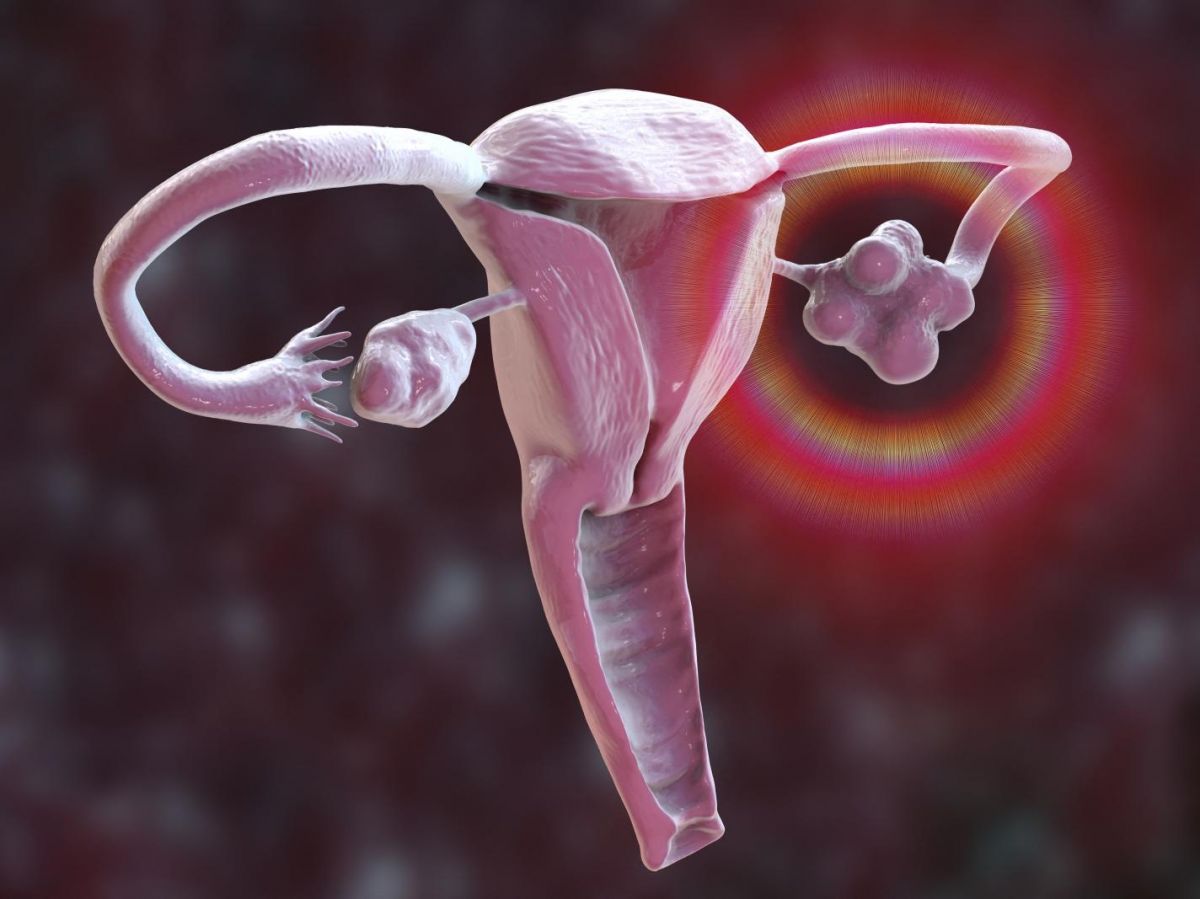
At the European Congress of Endocrinology in Prague, Poland, on Tuesday, May 12, 2026, the polycystic ovarian syndrome has been officially renamed "polyendocrine ovarian metabolic syndrome" (POMS). Published immediately in the scientific journal The LancetThis is one of the biggest initiatives ever undertaken to change the name of a medical condition.
The leading cause of female infertility
Although this syndrome affects nearly one in ten women and is the leading cause of female infertility, the term used until now did not accurately reflect the clinical manifestations, resulting in diagnostic uncertainty for many patients.

“ We now know that there is no increase in abnormal cysts on the ovaries, and that the various manifestations of this condition were often overlooked." said Professor Helena Teede, director of the Monash Health Research Centre (Australia) and endocrinologist, who initiated the name change.
Read also PCOS: Women with polycystic ovary syndrome are 8 times more likely to commit suicide
A hormonal imbalance affecting ovarian function and metabolism

Since the syndrome was first described in the 1930s, research has shown that what were thought to be cysts were actually follicles (cells containing immature oocytes) whose development was incomplete. This syndrome causes a blockage of follicular maturation, likely due to an excess of anti-Müllerian hormone, leading to the accumulation of follicles.
“ It was heartbreaking to see the delays in diagnosis, the lack of awareness and the inadequacy of care provided to people suffering from this neglected disease"," continues Professor Teed. We are proud to have arrived at a new name that finally accurately reflects the complexity of this pathology“.
As its new name indicates, POFS is a hormonal disorder affecting ovarian function and metabolism. The excessive production of androgen hormones leads to elevated testosterone levels in the blood, responsible for various symptoms: ovulation disorders, excessive hair growth in 70% of affected women, acne, and an increased risk of metabolic diseases such as diabetes and heart disease.
 English
  French